Elevating Small Gifts: A Practical Guide to the Box for Keys and Keychains Template
In the world of handmade goods and small business retail, the unboxing experience often carries as much weight as the product itself. For creators specializing in personalized accessories, finding a packaging solution that balances aesthetics, structural integrity, and ease of production is a constant challenge. The Box for Keys and Keychains template emerges as a specialized digital asset designed to address this specific niche. Unlike generic gift boxes that may be too large or flimsy for small metal items, this template offers a tailored approach to presenting keys, keychains, and similar compact accessories. By leveraging digital cutting files compatible with popular machines like Cricut and Silhouette, crafters and entrepreneurs can produce professional-grade packaging on demand, reducing waste and enhancing brand perception.
Structural Design and Assembly Efficiency
The primary value proposition of this Key Holder Gift Box Template lies in its structural engineering. Packaging for heavy or dense items like metal keys requires more than just folded paper; it demands a design that locks securely to prevent the contents from shifting or falling out during transport. This template utilizes a tuck-top or interlocking tab mechanism, common in high-quality retail packaging, which ensures the box remains closed without the immediate need for adhesives, although glue can be used for permanent sealing.
From a production standpoint, the design prioritizes efficiency. The layout is optimized to minimize material waste on standard 12x12 inch or 8.5x11 inch sheets of cardstock. For small business owners operating with tight margins, the ability to nest multiple box templates on a single sheet is crucial for cost control. The assembly process is intuitive, typically requiring only scoring, folding, and tucking. This simplicity allows for rapid batch production, meaning a seller preparing for a holiday market or fulfilling a bulk order can assemble dozens of units in a short timeframe without sacrificing quality.
Compatibility and File Versatility
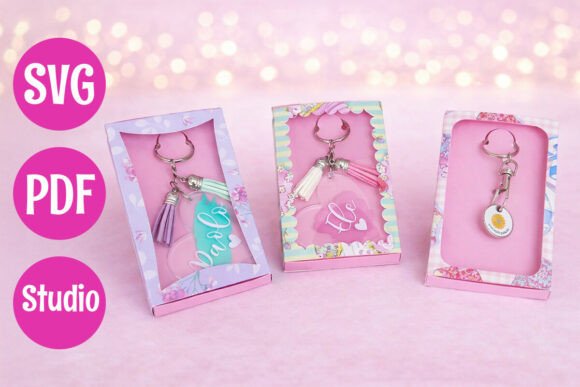
One of the most practical aspects of this digital download is its cross-platform compatibility. The package typically includes an SVG file for users of Cricut Design Space, a Studio file for Silhouette users, and a universal PDF for manual printing or use with other software. This versatility ensures that the barrier to entry is low; regardless of the hardware a creator owns, they can access the tool immediately.
The SVG format is particularly valuable because it retains vector paths, allowing users to resize the box if necessary without losing cut quality. While the standard size is optimized for average keychains and house keys, the ability to scale the design up or down by 10-15% provides flexibility for slightly larger fobs or multi-key sets. Furthermore, the inclusion of a PDF allows those without cutting machines to still utilize the design by printing and hand-cutting, making it accessible to educators or hobbyists who prefer traditional crafting methods.
Enhancing Brand Presentation and Perceived Value
In the competitive landscape of handmade marketplaces like Etsy or local craft fairs, presentation directly influences perceived value. A keychain sold in a clear plastic baggie is viewed as a commodity; the same item presented in a structured, custom-printed box is perceived as a premium gift. The Box for Keys and Keychains facilitates this elevation. Because the template provides a blank canvas, creators have total control over the branding.
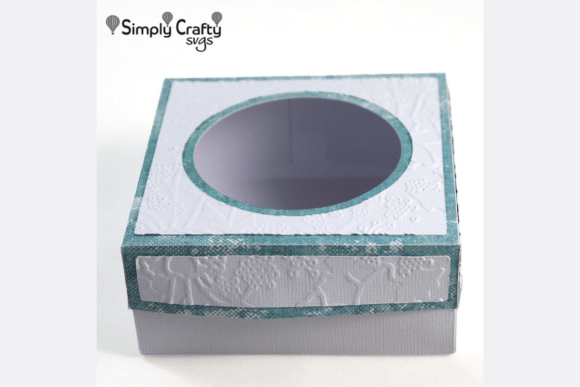
Users can print the template on colored cardstock, patterned paper, or even textured materials like linen-finish stock to match their brand identity. For corporate gifting or real estate agents handing out new home keys, the exterior of the box can be customized with logos, monograms, or specific color schemes before cutting. This level of customization fosters a cohesive brand image that mass-produced packaging simply cannot achieve. The clean lines and professional finish of the assembled box signal to the recipient that care was taken in every step of the creation process.
Real-World Applications and Use Cases
The utility of this template extends beyond simple retail sales. Several professional scenarios benefit significantly from having a reliable key packaging solution:
- Real Estate Professionals: Agents can create memorable "welcome home" packages for clients. Placing the new house keys in a sturdy, branded box adds a ceremonial touch to the closing process.
- Wedding and Event Planners: For weddings involving unity ceremonies with keys or favors for guests, these boxes offer a uniform and elegant way to distribute small items.
- Handmade Jewelry Artists: Beyond keys, the dimensions are often suitable for small pendants, lockets, or charm bracelets, making it a versatile addition to a jewelry maker's toolkit.
- Educational Settings: Teachers can use these templates for student projects, teaching geometry through folding and scoring, or creating end-of-year gifts for students.
For the serious hobbyist, the template serves as a foundation for experimentation. One might test different paper weights to see how they affect the rigidity of the final product, or explore embossing techniques on the box lid before cutting. This iterative process helps creators refine their craft and develop unique signatures in their work.
Material Considerations and Durability
To get the best results from the Box for Keys and Keychains template, material selection is paramount. While the digital file dictates the shape, the physical properties of the paper dictate the function. For keychains, which can be surprisingly heavy relative to their size, a cardstock weight between 65 lb and 80 lb (cover weight) is generally recommended. Lighter papers may buckle under the weight of metal keys, compromising the structural integrity of the box.
Conversely, using paper that is too thick (over 100 lb) can make scoring difficult and may cause the tabs to crack when folded, especially if the grain of the paper runs against the fold lines. Users should also consider the finish of the paper. Glossy finishes look vibrant but can be slippery, potentially making the tuck tabs less secure. Matte or textured finishes often provide better friction, keeping the box closed more reliably. Understanding these material dynamics is essential for anyone looking to integrate this template into a professional workflow.
Limitations and Practical Constraints
While highly effective, it is important to acknowledge the limitations of any digital template. As an instant digital download, there is no physical product shipped; the user must supply their own materials, cutting machine, and time. This requires an upfront investment in equipment and supplies that may not suit everyone. Additionally, while the template is adjustable, it is not infinitely scalable. Drastically increasing the size for very large industrial keys may require manual adjustment of the tab ratios in the design software to ensure they still lock correctly.
Furthermore, consistency relies on the precision of the cutting machine. Blade depth, pressure settings, and mat grip all influence the final outcome. A user new to die-cutting may face a learning curve in achieving the crisp folds and clean cuts necessary for a truly professional look. However, these are standard challenges associated with digital crafting rather than flaws in the template itself.
Long-Term Value for Creators and Businesses
The return on investment for a digital template like this is realized over time. Unlike purchasing pre-made boxes, which incur recurring costs and shipping fees for every batch, a digital file is a one-time purchase with unlimited usage rights (subject to the specific license terms). For a growing small business, this scalability is vital. As order volumes increase, the cost per unit for packaging drops significantly when producing in-house.
Beyond economics, the template supports agility. If a business decides to launch a limited-edition holiday line, they can switch paper stocks overnight without waiting for a supplier to ship custom-printed boxes. This flexibility allows creators to respond quickly to trends and seasonal demands. The Box for Keys and Keychains is not merely a container; it is a strategic tool that empowers creators to maintain control over their supply chain, brand image, and profit margins.
In conclusion, for anyone involved in the creation, sale, or gifting of small accessories, this template represents a pragmatic solution to a common packaging problem. It bridges the gap between amateur presentation and professional retail standards. By combining ease of use with structural reliability, it enables users to deliver a polished product that respects both the item inside and the person receiving it. Whether utilized by a weekend crafter making gifts for friends or an entrepreneur building a brand, the utility and adaptability of this design make it a worthy addition to any creative library.