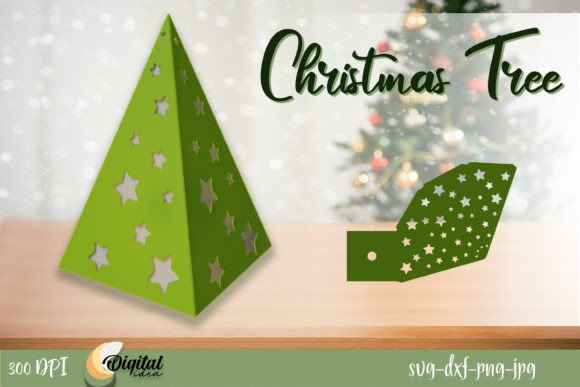
Mastering Your Holiday Projects with the Christmas Trees Lantern SVG 3D Deco Bundle
The holiday season brings a unique blend of nostalgia and creativity, driving many of us to craft decorations that feel personal and special. Among the most popular trends this year is the Christmas Trees Lantern SVG, specifically designed for 3D deco projects. Whether you are a seasoned small business owner looking to expand your product line, a hobbyist eager to upgrade your home decor, or a beginner taking your first steps with a cutting machine, understanding the nuances of these digital files is crucial. The appeal lies in the transformation: a flat digital design becomes a glowing, dimensional centerpiece. However, the journey from downloading a file to holding a finished lantern is often where things can go sideways if you aren't paying attention to the details.
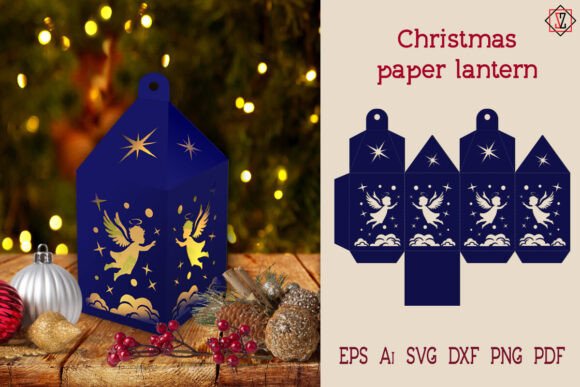
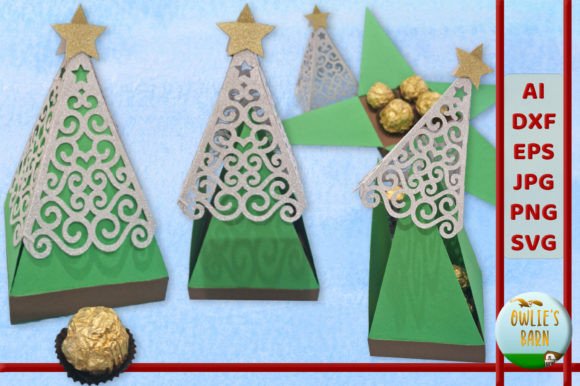
At its core, a Christmas Trees Lantern SVG is more than just an image; it is a set of instructions for your cutting software. When you purchase a high-quality bundle, you typically receive a zip folder containing one comprehensive design available in multiple formats: SVG, DXF, EPS, PDF, JPG, and PNG. This variety exists because different machines and software ecosystems speak different languages. Cricut users generally prefer SVG, while Silhouette owners might lean toward DXF. Vector professionals using Adobe Illustrator will need EPS, and those needing a quick print reference will use PNG or JPG. The mistake many beginners make is assuming all these files are interchangeable without consequence. Using the wrong format for your specific workflow can lead to lost layers, broken paths, and hours of frustration trying to reconnect nodes that should have been seamless.
Avoiding the Pitfalls of File Compatibility and Software Settings
One of the most common oversights occurs before the blade even touches the material. Many crafters download the Christmas Trees Lantern SVG and immediately send it to their machine without verifying that their software can properly process the specific file type included in the zip folder. For instance, importing a complex SVG into a basic viewer that doesn't support layered vectors can result in a flattened mess, making it impossible to separate the lantern walls from the tree silhouette. This directly affects your usability and efficiency. If you cannot isolate the layers, you cannot assemble the 3D structure correctly.
To avoid this, always check your software version and capabilities. If you are using free versions of design software, ensure they support the specific SVG standards used by the creator. A better approach is to open the EPS or PDF in a vector editor first to inspect the path integrity. Look for open ends or overlapping lines that could cause your machine to cut unnecessarily or leave pieces attached when they should be free. Taking five minutes to audit the file saves you from wasting expensive cardstock or vinyl. Remember, the goal is a clean cut that assembles easily, not a puzzle you have to solve with a weeding tool.
Material Selection and Structural Integrity
Even with a perfect digital file, the physical result depends heavily on your material choices. A frequent error in creating 3D deco items like lanterns is selecting paper or cardstock that is either too flimsy or too thick for the design's tolerance. The Christmas Trees Lantern SVG usually includes tabs and slots engineered for a specific weight range. If you use standard printer paper, the lantern will collapse under its own weight or fail to hold its shape when a light source is added. Conversely, using heavy-duty chipboard without adjusting your machine settings can lead to incomplete cuts, forcing you to pop pieces out manually and risking torn edges that ruin the presentation.
The solution is to test your materials. Before committing to your final project, run a small test cut on a scrap piece of your chosen medium. Check if the tabs slide smoothly into the slots. They should fit snugly but not require force that bends the material. For a professional finish, consider using textured cardstock or metallic papers that catch the light, enhancing the "lantern" effect. If you are selling these items, consistency is key; your customers expect durability. A wobbly lantern reflects poorly on your brand, whereas a sturdy, well-constructed piece encourages repeat business and positive reviews.
Understanding Scale and Assembly Logic
Another area where creators stumble is scaling. Digital files do not have inherent physical dimensions until you assign them in your software. A common misunderstanding is assuming the Christmas Trees Lantern SVG will print at the size shown in the preview image. If you resize the design disproportionately—stretching it wider without increasing the height, for example—you distort the aspect ratio. This makes the tree look squat and unnatural, and more critically, it can misalign the interlocking mechanisms of the 3D build. The tabs might no longer meet the slots, rendering the assembly impossible.
Always maintain the aspect ratio when resizing. Most design software has a "lock proportions" feature; keep this engaged. Furthermore, pay attention to the orientation of the cuts. Some lantern designs require mirroring certain layers so that the printed side faces inward or outward depending on the desired aesthetic. Failing to mirror a layer can result in visible cut lines or adhesive tabs showing on the exterior, detracting from the polished look. Read the included instruction sheet or readme file in the zip folder carefully. These documents often contain specific notes on assembly order that are easy to overlook but vital for success.
Maximizing Value for Entrepreneurs and Educators
For entrepreneurs and educators, the value of a Christmas Trees Lantern SVG extends beyond a single project. It is an asset that can be leveraged for workshops, classroom activities, or product collections. However, a critical check before purchasing or using these files for commercial purposes is the license agreement. Not all SVG bundles allow for unlimited commercial use. Some may restrict the number of physical items you can sell or prohibit using the design for print-on-demand services. Ignoring these terms can lead to legal issues and damage your professional reputation.
Ensure you understand the scope of the license included in your download. If you plan to teach a class, verify that the license permits group usage or if you need to purchase multiple seats. A proactive approach involves keeping organized records of your purchases and their respective licenses. This practice not only protects you but also streamlines your workflow when you are ready to launch a new holiday collection. By treating your digital assets with the same care as your physical inventory, you build a sustainable and ethical creative business.
Ultimately, the difference between a frustrating experience and a delightful holiday creation lies in preparation and attention to detail. The Christmas Trees Lantern SVG 3D Deco bundle offers a fantastic opportunity to create stunning decor, provided you respect the technical requirements of the files and the physical properties of your materials. By verifying your software compatibility, testing your materials, maintaining proper scale, and adhering to licensing terms, you set yourself up for success. Whether you are crafting for joy or profit, these precautions ensure that your final product shines as brightly as the light inside the lantern.