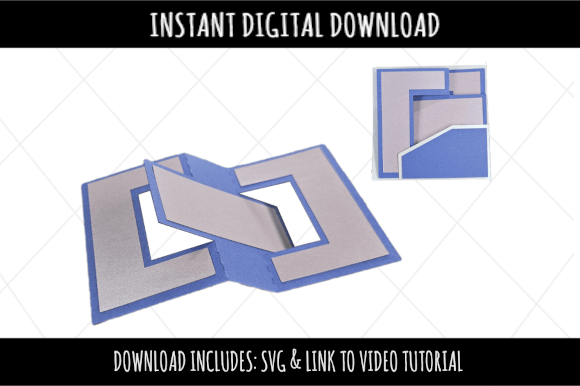
Interactive Flippy Window Card: Elevating Digital Crafting for Modern Creators
In an era where digital communication often feels transient and impersonal, there is a resurging appreciation for tangible, handcrafted experiences. The Interactive Flippy Window Card represents more than just a paper craft; it is a bridge between traditional artistry and modern technology. This innovative design allows creators to embed a dynamic element into their projects, transforming a static piece of cardstock into a engaging narrative device. Whether you are a professional marketer looking to create memorable direct mail campaigns, an educator teaching spatial reasoning, or a hobbyist seeking to elevate your scrapbooking, this mechanism offers a unique way to capture attention and delight recipients.
The relevance of such interactive elements has grown significantly as consumer expectations shift. In a world saturated with flat screens and swipe gestures, the tactile satisfaction of opening a card to reveal a hidden image or message through a flipping window provides a sensory experience that digital media simply cannot replicate. This listing is specifically for the digital download of the Flippy Window Card SVG file, empowering users to bring this concept to life using their own materials and cutting machines. No physical file will be mailed to you; instead, you receive the precise digital blueprints needed to cut, score, and assemble this intricate design instantly.
The Evolution of Paper Engineering in the Digital Age
Paper engineering—the art of creating moving parts within paper structures—has existed for centuries, from early pop-up books to complex greeting cards. However, the workflow required to produce these items has undergone a radical transformation. Historically, creating a mechanism like the flippy window required meticulous hand-measuring, trial-and-error prototyping, and advanced manual dexterity. Today, the convergence of design software and automated cutting technology has democratized this craft.
The Interactive Flippy Window Card fits perfectly into this modern workflow. By utilizing SVG (Scalable Vector Graphics) files, creators can leverage machines like Cricut and Silhouette to handle the precision work. This shift allows professionals and hobbyists alike to focus on the creative aspects—selecting papers, designing layouts, and curating messages—rather than struggling with the mechanics of the cut. The evolution from hand-drawn templates to downloadable digital assets reflects a broader trend in the maker community: the desire for high-quality, reproducible designs that save time without sacrificing craftsmanship.
Furthermore, the adaptability of digital files means that the design can be scaled or modified to fit specific project needs, although the provided measurements are optimized for standard crafting applications. The file works well on its own as a standalone novelty but is even better when used as an interactive element inserted into a larger card, a detailed scrapbook page, or an elaborate explosion box. This versatility ensures that the asset remains useful across various creative disciplines, from wedding invitation suites to corporate gift packaging.
Technical Specifications and File Versatility
Understanding the technical dimensions and file contents is crucial for successful assembly. The design is compact yet impactful, making it ideal for projects where space is at a premium but visual interest is paramount. The specific measurements for this design are as follows:
- Pocket Dimensions: Measures 3.25 inches by 3.25 inches, providing a snug housing for the mechanism.
- Closed Card Size: The Flippy Window card measures 3 inches in height by 3 inches in width when closed, fitting easily into standard envelopes.
- Opened Card Size: When opened, the card expands to 3 inches in height by 5 inches in width, revealing the interactive window.
The zip file included in this download is comprehensive, catering to different machine capabilities and user preferences. It contains three distinct components to ensure a smooth crafting experience:
- SVG File with Score Lines: Optimized for cutting machines that recognize score line data, allowing the machine to automatically crease the paper for perfect folds.
- SVG File with Dashed Lines: An alternative version where score lines are represented as dashed cut lines. This is essential for older machines or software setups that do not support dedicated scoring tools, ensuring compatibility across a wide range of hardware.
- Assembly Guide: A file containing practical tips and a link to a full video tutorial. This resource is invaluable for visual learners, guiding you step-by-step through the assembly process to ensure the flipping mechanism functions smoothly.
Please note that these SVG files are intended exclusively for cutting on machines that accept this format, such as Cricut and Silhouette devices. Ensuring your software is updated to interpret these vectors correctly will yield the best results.
Practical Applications for Professionals and Businesses
Beyond the realm of personal hobbies, the Interactive Flippy Window Card holds significant potential for entrepreneurs, marketers, and small business owners. In a competitive marketplace, standing out is critical. Traditional flat brochures or generic postcards often end up discarded without a second glance. However, a piece of direct mail that requires interaction invites the recipient to engage physically with the brand.
Consider a real estate agent sending a "Just Listed" card. By using the flippy window, they could hide a "Sold" stamp or a before-and-after renovation photo that is revealed only when the recipient manipulates the card. Similarly, event planners could use this mechanism for invitations, hiding the venue details or a special code behind the window to build anticipation. For educators, this tool can be adapted into teaching aids, helping students visualize concepts like cause-and-effect or historical timelines in a tactile way.
The cost-effectiveness of using a digital download cannot be overstated. Instead of ordering expensive custom-printed interactive cards from a specialized printer, businesses can produce them in-house. You control the inventory, the paper quality, and the timing. This agility allows for rapid prototyping of marketing materials and the ability to personalize batches of cards for high-value clients without incurring prohibitive costs.
Navigating the Assembly Process
While the digital file handles the precision of the cuts, the assembly process remains a hands-on endeavor that rewards patience and attention to detail. The inclusion of a video tutorial in the download package is a testament to the complexity and nuance of paper engineering. Even with perfect cuts, the tension of the paper and the alignment of the hinges determine how well the window flips.
When assembling your Interactive Flippy Window Card, consider the weight and texture of your chosen materials. Heavier cardstocks may provide more durability but could require deeper scoring to fold cleanly. Conversely, lighter papers might flip more easily but could tear if handled roughly. The tips provided in the accompanying file offer guidance on adhesive placement, which is critical; too much glue can jam the mechanism, while too little can cause the layers to separate over time.
It is also worth noting that practice makes perfect. Your first attempt might require minor adjustments to the folding technique. This iterative process is part of the charm of analog crafting. It encourages a mindset of experimentation and problem-solving, skills that are increasingly valuable in our automated world. By engaging with the physical construction of the card, creators develop a deeper understanding of spatial relationships and mechanical principles.
Future-Proofing Your Creative Toolkit
As we look toward the future of crafting and design, the integration of digital assets with physical outputs will only deepen. The Interactive Flippy Window Card is a prime example of this hybrid approach. It leverages the efficiency of digital distribution—immediate access, no shipping delays, infinite reproducibility—with the enduring appeal of a handmade object.
For bloggers and content creators, documenting the process of making these cards can generate engaging social media content. The "reveal" moment of the flipping window is inherently shareable, often leading to higher engagement rates on platforms like Instagram and TikTok. This creates a secondary value proposition: the craft itself becomes content, driving traffic and interest to your portfolio or shop.
Moreover, the sustainability aspect of digital downloads aligns with growing environmental consciousness. By downloading the file and using materials you already have or sourcing eco-friendly cardstock locally, you reduce the carbon footprint associated with shipping pre-made goods. This localized production model supports a more sustainable creative economy.
In conclusion, the Interactive Flippy Window Card SVG file is more than a simple template; it is a versatile tool for anyone looking to add a layer of interactivity and wonder to their projects. Whether you are enhancing a personal scrapbook, launching a targeted marketing campaign, or simply enjoying the therapeutic process of paper crafting, this digital asset provides the foundation for creativity. With precise measurements, multiple file formats for machine compatibility, and comprehensive instructional support, it empowers users to create professional-grade interactive paper goods from the comfort of their own workspace. Embrace the fusion of technology and tradition, and start building experiences that people will want to hold, keep, and remember.