Exploring the Versatility of 150 Leaf Templates for Modern Crafting Projects
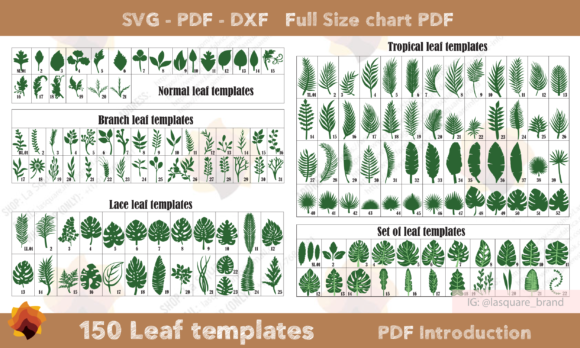
In the evolving landscape of digital crafting and paper art, the availability of high-quality design assets can significantly influence the outcome of a project. For designers, hobbyists, and small business owners, selecting the right resource library is often a matter of balancing versatility with specific technical requirements. The 150 Leaf Templates collection represents a comprehensive approach to botanical design, offering a curated mix of 93 tropical palm leaf outlines and 95 colorist-ready tropical leaves. This extensive package serves as a case study in how diverse file formats and varied stylistic approaches can cater to a wide spectrum of creative needs, from intricate laser cutting to hand-painted illustrations.
Understanding what makes this specific assembly of templates distinct requires looking beyond the sheer number of files. The collection is not merely a bulk download of similar images; it is a structured toolkit designed to bridge the gap between digital precision and organic aesthetics. By combining classic laurel leaves, dried branches, barley motifs, and vintage-style single leaves with modern tropical palms, the set addresses multiple design genres simultaneously. This variety allows creators to experiment with different textures and eras without needing to source assets from multiple vendors, streamlining the workflow for complex compositions.
Evaluating File Formats: SVG, DXF, PDF, and Raster Options
One of the most critical factors when evaluating any digital template library is the range of file formats provided. Different machines and software ecosystems require specific data types to function optimally. The 150 Leaf Templates package distinguishes itself by including PDF, SVG, DXF, PNG (transparent), and JPG files for the outline-based tropical palm leaves, alongside PNG, JPG, and PDF formats for the colorist variations. This breadth of format support is essential for users who may switch between different tools or who collaborate with others using disparate systems.
For users operating within the Cricut or Silhouette ecosystems, the distinction between SVG and DXF is paramount. While both are vector formats, they serve slightly different purposes depending on the complexity of the design and the software version being used. The recommendation to use DXF for both Cricut and Silhouette machines suggests a focus on compatibility and reliability, particularly for older software versions or basic cutting tasks. DXF files are often preferred for their simplicity and universal acceptance across various CAD and cutting platforms.
However, for more intricate designs where layering, grouping, and precise path editing are necessary, SVG remains the superior choice, especially for Cricut Design Space users. SVG files retain more metadata about the design structure, allowing for easier manipulation of individual leaf elements. When comparing this package to alternatives that might only offer raster images (like JPG or PNG), the inclusion of true vector files (SVG and DXF) is a significant advantage. Vector files ensure that whether a user is creating a XXS embellishment for a scrapbook page or a XXXL statement piece for wall decor, the edges remain crisp and the scale is infinite without pixelation.
The inclusion of PDF files adds another layer of utility, particularly for those who prefer hand-cutting or printing stencils. PDFs are universally viewable and print-ready, making them ideal for users who do not own electronic cutting machines but still wish to utilize the designs. Furthermore, the provision of transparent PNGs for the colorist leaves eliminates the need for manual background removal, a time-consuming step that often plagues designers working with standard JPG downloads.
Stylistic Diversity: From Tropical Palms to Vintage Botanicals
The aesthetic composition of the 150 Leaf Templates set offers a notable departure from niche-specific bundles that focus solely on one type of foliage. By integrating 93 tropical palm leaf templates with an additional 95 colorist tropical leaves, the package covers the popular trend of lush, greenery-heavy decor. Yet, it expands further to include classic laurel leaves, dried branches, and barley leaves. This diversity is crucial for creators aiming to achieve a balanced look in their projects, mixing the bold statements of tropical fronds with the delicate intricacy of dried flora.
The "colorist" aspect of the 95 tropical leaves introduces an interactive element to the collection. These files are designed not just for cutting, but for coloring, painting, or digital shading. This opens up possibilities for adult coloring books, educational materials, or custom greeting cards where the end-user adds their personal touch. In comparison to standard silhouette-only packs, this dual-purpose approach increases the longevity and application range of the assets. A designer can use the outline for a vinyl decal while simultaneously using the colorist version for a printed invitation suite, maintaining thematic consistency across different media.
Vintage leaves and single leaf options provide flexibility for minimalist designs. Often, crafters find themselves overwhelmed by overly busy patterns; having access to isolated, high-quality single leaves allows for strategic placement and negative space utilization. This is particularly relevant in modern interior design trends where "less is more" often dictates the aesthetic. The ability to mix dried branches with fresh-looking palms enables the creation of "boho-chic" arrangements that are currently prevalent in wedding decor and home styling.
Scalability and Application: From XXS to XXXL
A defining characteristic of vector-based template collections like the 150 Leaf Templates is their scalability. The explicit mention of creating sizes from XXS to XXXL highlights the adaptability of these files for various project scopes. Small-scale applications, such as jewelry pendants, cupcake toppers, or intricate paper quilling, require clean lines that do not break down when reduced. Conversely, large paper flowers and wall murals demand files that can be enlarged without losing definition or becoming jagged.
When comparing this capability to raster-only alternatives, the difference is stark. A JPG or PNG file has a fixed resolution; enlarging it beyond its original dimensions results in pixelation and loss of quality. With the SVG and DXF files included in this package, the mathematical paths defining the leaves can be recalculated by the software for any size. This makes the investment in such a template pack more economical in the long run, as the same asset can be repurposed for a tiny gift tag today and a massive event backdrop next month.
For those utilizing cutting machines, the scalability also impacts material usage and cutting time. Larger designs (XXXL) may require nesting strategies to fit onto standard 12x12 or 12x24 mats, while smaller designs (XXS) allow for high-density cutting to minimize waste. The precision of the vector paths ensures that even at extreme scales, the cutting blades or laser heads follow the intended trajectory accurately, reducing the risk of tears or incomplete cuts in delicate areas of the palm fronds.
Decision Factors: Is This Collection the Right Fit?
Determining whether the 150 Leaf Templates package is the appropriate resource depends largely on the user's specific workflow and project goals. For individuals who frequently switch between digital cutting and traditional hand-crafting, the multi-format support is a decisive benefit. Similarly, designers who need to produce both cut files and printable coloring pages will find the combination of outline and colorist versions highly efficient.
However, there are scenarios where this generalist approach might not be the optimal choice. If a user requires highly specialized, botanically accurate scientific illustrations of a specific rare plant species, a general tropical and vintage mix may lack the necessary specificity. Additionally, users who strictly work in 3D modeling software might find that while SVG and DXF are compatible, they would prefer native 3D file formats which are not included in this 2D-focused package.
Another consideration is the learning curve associated with managing multiple file types. While the inclusion of PDF, SVG, DXF, PNG, and JPG offers flexibility, it also requires the user to understand which format suits their current task. Beginners unfamiliar with the differences between vector and raster graphics might initially feel overwhelmed. In such cases, sticking to a simpler package with fewer format options might be less confusing, though ultimately more limiting as skills advance.
The trade-off between quantity and curation is also worth noting. With 150 templates, there is an abundance of choice, which can sometimes lead to "analysis paralysis." Users who prefer tightly curated, theme-specific bundles (e.g., only monstera leaves or only eucalyptus) might find the broad nature of this collection less focused. Nevertheless, for those who value having a "swiss army knife" of botanical elements ready for any occasion, the variety serves as a strength rather than a distraction.
Practical Integration into Creative Workflows
Integrating these templates into a professional or hobbyist workflow involves understanding the strengths of each file type in context. For a paper flower artist, the workflow might begin by importing the SVG files into design software to adjust the petal and leaf shapes for structural integrity before sending them to a cutting machine. The ability to scale these to XXXL ensures that the resulting flowers have the dramatic impact desired for event decor.
For a graphic designer creating branding materials for a wellness spa, the transparent PNGs of the colorist leaves can be dragged directly into layout software to create watermarks or background textures without the need for tedious masking. The vintage and dried branch elements add a layer of sophistication that pure tropical greens might lack, allowing for a more nuanced brand identity.
Furthermore, the availability of these files in a downloadable drive format implies ease of access and organization. Users can categorize the files locally, creating subfolders for "Cut Files," "Printables," and "Textures," thereby streamlining their asset management. This organizational potential is often overlooked but is vital for maintaining efficiency in high-volume production environments.
In conclusion, the 150 Leaf Templates collection offers a robust solution for a wide array of creative challenges. Its strength lies not just in the number of designs, but in the thoughtful inclusion of diverse styles and the comprehensive support of industry-standard file formats. Whether the goal is to operate a Cricut machine for precise vinyl cuts, utilize a Silhouette for detailed cardstock projects, or engage in hand-painting activities, this package provides the necessary foundational elements. By weighing the benefits of scalability, format versatility, and stylistic range against specific project requirements, creators can make an informed decision on how best to leverage these resources for their unique artistic visions.