Bringing Nature Indoors: The Art of Crafting Ultra-Realistic Tissue Paper Poppies
In the realm of modern crafting, there is a distinct and growing appreciation for materials that bridge the gap between the artificial and the organic. While plastic and silk flowers have their place, they often lack the ethereal quality that makes a bloom feel truly alive. This is where the art of working with tissue paper comes into play, offering a medium that is as fragile and delicate as nature itself. Among the many flowers one can recreate, the poppy holds a special significance. Known for its crumpled, airy petals and striking dark center, the poppy is a symbol of remembrance, sleep, and imagination. Creating a realistic poppy from tissue paper is not merely a craft project; it is an exercise in patience, precision, and artistic expression that allows creators to add a touch of wild poetry to their homes and events.
The Unique Allure of Tissue Paper Floristry
To understand why tissue paper is the superior choice for creating lifelike poppies, one must first appreciate the material's inherent properties. Unlike cardstock, which is rigid, or fabric, which can be heavy, high-quality tissue paper possesses a unique translucency and malleability. When manipulated correctly, it mimics the cellular structure of real flower petals. The goal of projects like the Poppy Poppies die-cut file is to leverage these characteristics to achieve an ultra-realistic finish.
The significance of this medium lies in its ability to capture light. Real poppy petals are incredibly thin, often appearing almost transparent when backlit by the sun. A well-crafted tissue paper version replicates this effect, creating depth and dimension that solid materials simply cannot match. This makes them ideal for everlasting bouquets that need to look fresh without the maintenance of water or soil, as well as sophisticated table decorations where the interplay of candlelight and petal texture creates a warm, inviting atmosphere.
Deconstructing the Poppy: Anatomy and Design
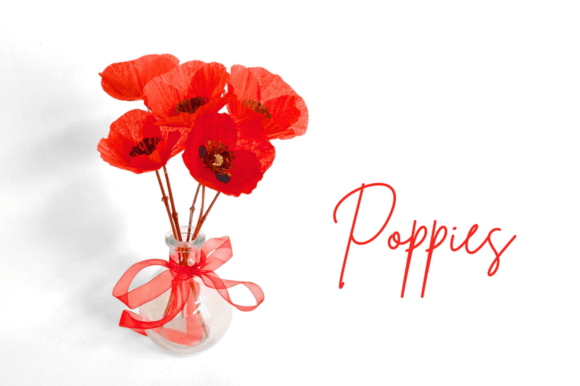
Creating a convincing flower requires more than just cutting out a shape; it demands an understanding of botanical anatomy. The poppy is distinct in its structure. Its petals are not smooth sheets but are characterized by delicate curves, wrinkles, and a slightly crumpled appearance that suggests fragility. A high-quality design file addresses this by including specific cut lines that mimic these natural imperfections.
Furthermore, the center of the poppy is crucial to its identity. It is typically a deep, contrasting color featuring a cluster of dark stamens and a central pistil. In digital cutting files designed for realism, such as those compatible with Cricut Joy or Silhouette machines, the inclusion of outlines for these minute details is what separates a toy-like representation from a piece of art. By providing separate layers or precise cut paths for the stamens and pistil, the designer enables the crafter to build the flower in three dimensions, ensuring that the eye is drawn to the intricate core just as it would be in a garden.
The Role of Technology in Modern Craftsmanship
The intersection of traditional artistry and modern technology has revolutionized how we approach paper crafting. In the past, creating a dozen identical, perfectly shaped poppy petals would have required hours of manual tracing and cutting with scissors, leading to inconsistencies. Today, digital die-cut files have democratized this process, allowing both beginners and experienced artists to achieve professional results.
These files come in various formats to ensure compatibility across the spectrum of cutting machines used in homes and small businesses:
- SVG (Scalable Vector Graphics): The industry standard for users of Cricut Design Space and Silhouette Studio Designer Edition. These files retain their quality at any size, ensuring crisp cuts whether you are making a miniature boutonniere or a giant wall installation.
- DXF (Drawing Exchange Format): Specifically optimized for the basic edition of Silhouette software, ensuring that users with older or entry-level machines can still access high-quality designs.
- FCM: A specialized format for Brother ScanNCut machines, which allows the machine to read the file directly without needing a computer connection.
This technological accessibility means that the barrier to entry for creating complex floral arrangements is lower than ever. However, the technology is merely a tool; the soul of the project remains in the assembly and the choice of materials.
Navigating the Learning Curve: From File to Flower
For those new to the world of digital cutting, the process might seem daunting. A common misunderstanding is that purchasing a file guarantees a perfect result instantly. In reality, the file is only the blueprint. The true magic happens during the cutting and assembly phases, particularly when working with a material as finicky as tissue paper.
Tissue paper is notoriously difficult to cut because it is so light; it can easily shift under the blade or get sucked into the machine's rollers. This is why comprehensive resources, such as a detailed PDF tutorial guide and links to video demonstrations, are invaluable components of a good digital product. These guides often provide critical tips, such as:
- Securing the Material: Using a strong grip mat or sandwiching the tissue between two layers of stabilizer to prevent shifting.
- Blade Selection: Choosing the correct blade depth and pressure settings to slice through the delicate fibers without tearing them.
- Weeding Techniques: How to remove excess paper from intricate stamen cuts without ripping the main petal shapes.
By following these structured instructions, crafters can avoid the frustration of wasted materials and quickly move on to the rewarding stage of assembly.
Practical Applications and Creative Freedom
Once mastered, the skill of creating realistic tissue paper poppies opens up a world of possibilities. These flowers are not limited to static displays. Their lightweight nature makes them perfect for dynamic installations, such as hanging mobiles that sway gently in the breeze or backdrop walls for photography where depth is essential.
In the context of education, this craft serves as an excellent STEAM (Science, Technology, Engineering, Arts, Mathematics) activity. Students can learn about plant biology by examining the real flower and then applying engineering principles to replicate its structure using paper. In business, florists and event planners use these everlasting blooms to create cost-effective, allergy-friendly decor that can be reused for multiple events, reducing waste compared to fresh flowers that wilt after a single day.
Moreover, there is a therapeutic aspect to this work. The repetitive motion of curling petals, gluing layers, and assembling the stamens requires focus and a gentle touch, promoting mindfulness. The result is a tangible object of beauty that carries the creator's intent—a "touch of wild poetry" preserved in paper.
Building a Broader Understanding of Digital Crafting
Ultimately, projects like the realistic poppy file represent a shift in how we view consumption and creation. Instead of buying mass-produced decorations that often look cheap and uniform, individuals are empowered to create bespoke items tailored to their specific aesthetic needs. The availability of diverse file formats ensures that no matter what tool a creator owns, they can participate in this movement.
It is important to remember that while the design provides the structure, the creator provides the life. The choice of tissue paper color—perhaps a vibrant red with black undertones for a dramatic look, or a soft pastel for a whimsical feel—rests entirely in the hands of the artist. The fineness of the paper and the precision of the cut set the stage, but the final assembly transforms flat shapes into a blooming reality.
Whether you are decorating a wedding venue, teaching a class on botany, or simply looking for a peaceful weekend project, the journey of creating a tissue paper poppy offers a profound connection to the natural world. It teaches us that beauty often lies in the details—the curve of a petal, the darkness of a center, and the delicate balance between strength and fragility. With the right tools, guidance, and a bit of patience, anyone can master this art form and fill their spaces with flowers that never fade.