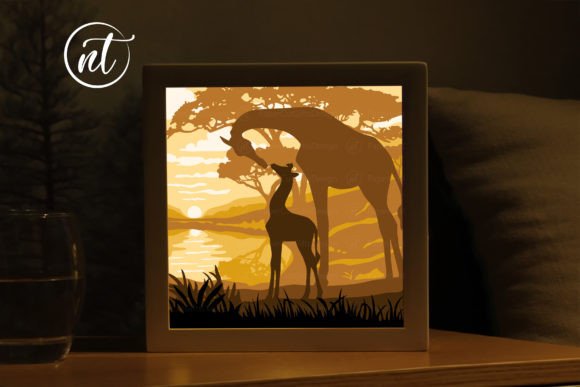
Crafting a Mother and Baby Giraffe Light Box
There is a distinct quiet satisfaction in transforming flat sheets of paper into a glowing, three-dimensional scene. The Mother and Baby Giraffe Light Box stands as a perfect example of this alchemy. It is not merely a craft project; it is an exercise in patience, layering, and light management that results in a piece of decor capable of warming any room. Whether you are a seasoned papercutter looking for your next challenge or a parent seeking a meaningful DIY gift, this project bridges the gap between digital design files and tangible art.
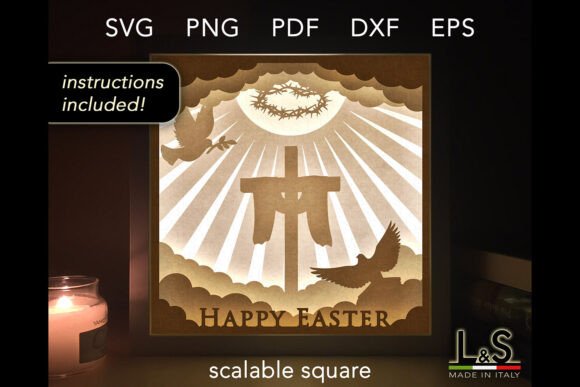
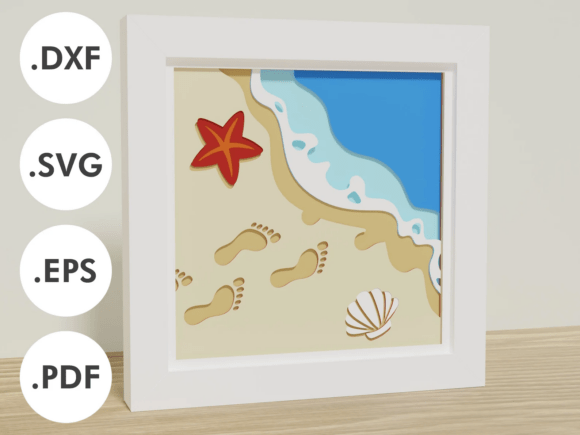
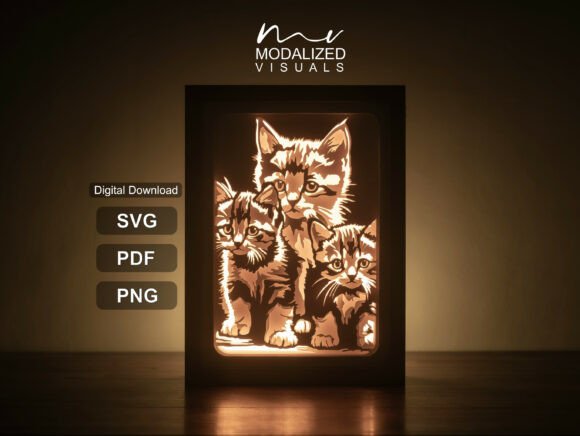
At its core, this light box relies on the principle of depth. By gluing several layers of paper together with 5mm foam board spacers between them, you create a physical void that allows shadows to stretch and light to diffuse naturally. When white paper is paired with LEDs installed at the rear, the result is a soft, ethereal glow that highlights the intricate details of the giraffes' patterns and the surrounding foliage. However, the versatility of this design means you are not bound to illumination alone. If you prefer a daytime display, combining colorful paper layers without LEDs creates a vibrant, textured shadow box that catches natural light beautifully.
The Mechanics of Depth and Light
Understanding the construction is key to achieving a professional finish. The template typically includes eight distinct layers, each sized at 9x9 inches. This specific dimension offers enough surface area for detailed cutting while remaining manageable for standard home printers and cutting machines. The magic happens in the spacing. Using 5mm foam board between layers is critical; anything less, and the shadows merge, losing the 3D effect. Anything more, and the structure may become unstable or require a deeper frame than intended.
When selecting materials, the weight of your paper matters significantly. A range of 180 to 220 gsm is ideal. Paper lighter than 180 gsm may curl when glued or fail to hold its shape against the tension of the frame, while paper heavier than 220 gsm can be difficult to cut cleanly, especially around the delicate curves of the giraffes' ossicones and tails. For the adhesive, double-sided tape often provides a cleaner look than liquid glue, preventing warping and visible residue along the edges of the cutouts.
Adapting the Project for Different Makers
One of the strongest assets of the Mother and Baby Giraffe Light Box is its accessibility to various skill levels and toolsets. The available files usually come in SVG, PDF, and PNG formats, catering to both digital crafters and traditionalists.
- The Digital Crafter: If you own a Cricut or similar cutting machine, this project becomes highly efficient. Importing the SVG file allows the machine to handle the intricate internal cuts of the giraffe spots and leaf veins. This approach ensures uniformity across all eight layers and significantly reduces hand fatigue, making it easier to produce multiple units for small business sales or classroom projects.
- The Hand Cutter: For those who prefer the tactile feel of an art knife, the PDF or PNG templates serve as excellent guides. Printing these onto your chosen cardstock and cutting by hand offers a unique, organic quality to the edges. While more time-consuming, this method allows for on-the-fly adjustments and a deeper connection to the material.
- The Educator: Teachers can use this project to teach concepts of geometry, layering, and light physics. Simplifying the process by pre-cutting complex inner shapes allows students to focus on assembly and spacing, fostering fine motor skills and spatial awareness.
Creative Variations and Stylistic Approaches
While the default design often utilizes white paper for maximum light transmission, sticking strictly to monochrome limits the potential of this template. Creative professionals and hobbyists alike can reinterpret the Mother and Baby Giraffe Light Box to suit specific themes or interior design needs.
Consider a savanna sunset theme. By using gradient papers ranging from deep orange to soft yellow for the background layers, and keeping the foreground giraffes in silhouette black or dark brown, you can mimic the golden hour of an African evening. Conversely, a nocturnal version could utilize dark blue and purple cardstock with silver or metallic accents, designed specifically to be viewed under cool-toned LED lights.
For those interested in educational applications, the layers can be color-coded to represent different elements of the ecosystem. The bottom layer could feature soil textures, followed by grasses, shrubs, and finally the canopy, helping children visualize the vertical stratification of a habitat. This turns a decorative item into a conversational teaching tool.
Practical Applications Beyond Decor
The utility of this light box extends beyond sitting on a shelf. Its compact 9x9 inch footprint makes it an ideal candidate for functional decor in various settings:
- Nursery Night Lights: The gentle diffusion of light through multiple paper layers creates a soothing ambiance perfect for a child's room. Unlike harsh plastic night lights, the paper softens the LED output, reducing eye strain and promoting relaxation before sleep.
- Boutique Gift Packaging: Small business owners selling high-end baby gifts can include a miniaturized version of this light box as a premium add-on. It adds a personal, handmade touch that mass-produced items cannot replicate.
- Event Centerpieces: For baby showers or safari-themed parties, these boxes can serve as illuminated centerpieces. When clustered in groups of three or five with varying heights, they create a stunning focal point on reception tables.
- Photography Props: Photographers specializing in newborn or family portraits can use the light box as a dynamic background element. The glowing layers add depth to studio shots without overpowering the subject.
Troubleshooting and Optimization
Achieving a flawless result requires attention to detail during the assembly phase. One common issue is misalignment between layers. To prevent this, mark registration points on the corners of your foam board spacers and corresponding paper layers before applying adhesive. Working on a flat, well-lit surface is essential to ensure that each layer sits perfectly parallel to the one below it.
If you encounter issues with the digital files—perhaps you need to resize the 9x9 inch format to fit a specific frame or require a different file type—reaching out to the creator is often the best course of action. Most designers are willing to assist with formatting problems to ensure your project succeeds. Remember, the goal is consistency; if one layer is skewed, the illusion of depth breaks, and the shadow play becomes muddy.
Ultimately, the Mother and Baby Giraffe Light Box is a testament to what can be achieved with simple materials and a clear vision. It invites you to slow down, focus on the precision of your cuts, and appreciate the interplay of light and shadow. Whether you are crafting for a loved one, building inventory for a shop, or simply enjoying a quiet evening of creation, this project offers a rewarding blend of technical challenge and artistic beauty.